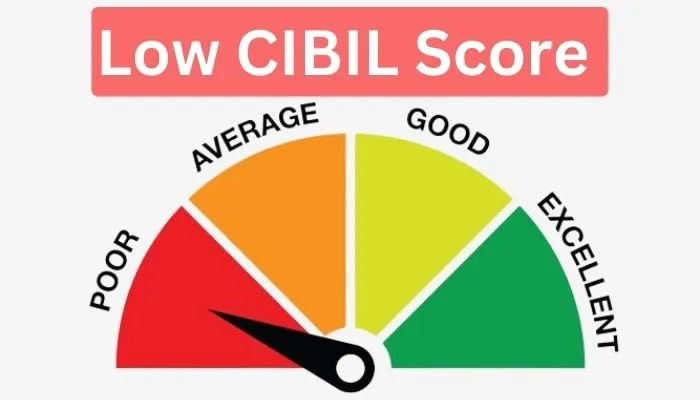
In India, your CIBIL score has long been recognised as crucial for securing loans and credit cards. But what if you had to worry about it even before you got hired? Recent legal rulings have confirmed that, especially in banking sector jobs, a poor credit history can cost you the job you thought you’d landed.
A former deputy manager who had worked at HDFC Bank and ICICI Bank was recently denied a job by State Bank of India (SBI), despite clearing the exam and interview stages. Why? His credit report, marred by defaults, late payments and multiple credit enquiries, lowered his CIBIL score. The Economic Times+2Business Today+2
He filed a legal challenge in the Madras High Court seeking relief, but the Court upheld SBI’s decision. The ruling reaffirmed that banks are within their rights to reject candidates with “adverse credit history” under their recruitment eligibility criteria. The Economic Times+1
SBI’s hiring policy (under Clause 1(E) among others) includes eligibility criteria that disqualify those with loan repayment defaults and poor credit history. The Economic Times+1
During the 2023–24 recruitment cycle (CRP-XIII), the Institute of Banking Personnel Selection (IBPS) required candidates to have a minimum CIBIL score (around 650 or more) and a healthy credit history. The Financial Express
For the next cycle (2024-25, CRP-XIV), while the minimum score requirement was removed at the application stage, candidates will still need to show “healthy credit history” by the time of joining. The Financial Express
Banks deal with public funds. Trust, integrity, financial discipline—these are non-negotiable traits. A history of financial defaults or excessive credit enquiries raises red flags:
Risk of mishandling funds: If someone can’t manage their own loans responsibly, can they be trusted in roles that require accountability?
Reputational concerns: A bank’s public image is vital; any misconduct or financial mismanagement by employees can reflect poorly.
Policy compliance: Internal rules often mandate background checks, including credit history reports. These are increasingly enforced.
If you’re aspiring for a job in banking or similarly sensitive sectors, here are things to watch out for:
Check your CIBIL / credit report early
Don’t wait until after results or interview – request your report well in advance and ensure it’s clean.
Rectify defaults or discrepancies
If there are errors in your credit report (wrong entries, mistaken defaults, etc.), begin the dispute and correction process.
Manage your credit behaviour
Avoid missed payments, reduce credit card debt, minimise unnecessary credit enquiries. All this contributes to a better score.
Understand job eligibility criteria
Read recruitment notices carefully: many banks explicitly mention credit history requirements. If you don’t meet them, either fix your credit first or be prepared for possible disqualification.
Stay informed about legal developments
Rulings like these set court precedents. It’s likely more banks will adopt stricter credit‐based eligibility measures.
Equity issues: People from disadvantaged or low-income backgrounds may have had more difficulty maintaining spotless credit histories due to circumstances beyond their control (e.g. educational loan burdens, family emergencies). Strict criteria could hamper upward mobility.
Transparency needed: Banks should clearly disclose eligibility criteria, what “healthy credit history” means, and what stage credit checks happen (application vs offer vs joining).
Legal safeguards: There should be mechanisms for candidates to explain defaults, to get loan restructured, to show cause before outright disqualification.
A “good” CIBIL score is no longer only about financial products—it’s increasingly becoming a factor in hiring decisions, especially for banking jobs. If your credit history has blemishes, don’t assume they’ll be overlooked. Take proactive steps, keep your financial records in order, and treat your credit score as part of your professional credibility.